

Standing out on Microphone
10 top tips from interpreters of the world's diplomats
10 top tips from interpreters of the world’s diplomats
I’ve been thinking about interview style for the podcast you asked me to launch on the realities, stories and skills of diplomacy.
I listened back to a recording made last year of an interview with the former President of the UN General Assembly Maria Fernanda Espinosa, now a candidate for UN Secretary General.
Immediately, 3 things to improve. Not from Maria: she’s a brilliant communicator. My questions were too long, I interrupted, and used unnecessary words of affirmation ("yes, right, sure, mm”).
Interviewing for a podcast audience is a skill I’m learning.
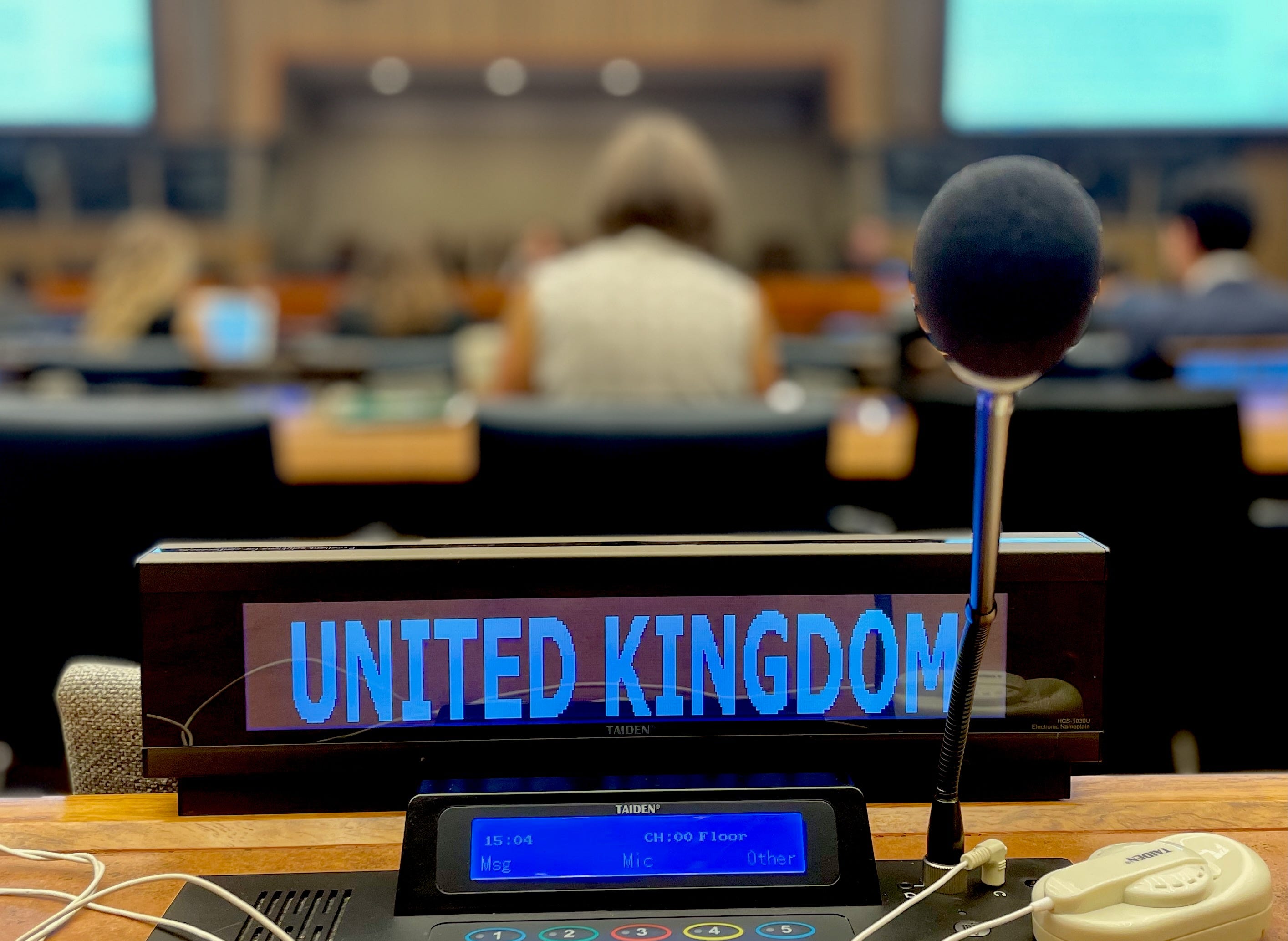
So is speaking on microphone, with interpreters.
I’m more practised at that after hundreds of speeches, and one or two sessions at the UN.
When I wrote about it, many interpreters and diplomats offered their own gems of advice. I’d like to pass those on to you.
Here are 10 top tips (snipped) from professional interpreters and professional speakers:
1️⃣ Pass the interpreters reference material
Provide the interpreters with reference material in advance whenever possible.
👉🏽 Marta Amigó, Spanish
Send your notes to the interpreters in advance. (It’s safe. We don’t leak info. And translating surprises is hard!)
👉🏽 Andy Gillies, French, German and Polish
…things such as a glossary of technical terms you will use, copies of materials that you will reference, copies of slides that you will show, etc.
If you have a transcript or outline of your talk, send it.
👉🏽 John Zimmer, Public speaking coach
2️⃣ Use the microphone like a pro