

Travel advice and simple tips
Ambassador at Large Gazette holiday edition
Before arriving in Thailand for my first diplomatic posting, I learned this lesson on how easy it can be to damage diplomatic relations.
Longman’s Dictionary of English Language and Culture for non-native speakers had published an edition describing Bangkok as:
“the capital city and main port of Thailand. It is famous for its temples and other beautiful buildings, and is also often mentioned as a place where there are a lot of prostitutes.”
Formal diplomatic protests followed, in London and in Bangkok. The entry was amended, and it took time for bilateral relations to recover fully.
Two lessons:
Consider not only your target audience but also local sensitivities.
Prepare for public relations crises not of your own making.
These lessons were in my mind when writing official government travel advice in different cultural environments.
That’s now part of (many) diplomats’ jobs overseas, and it’s often been mine. Foreign Ministries coordinate advice centrally, but rely on intelligence from their embassies for the facts and the warnings.
Unlike analysis to sent confidentially to authorities back at the capital city, which might not get leaked, it can be read by anyone almost immediately and has to be worded in a way that won’t cause offence or damage tourism for the wrong reasons.
Official warnings or advice against travel can affect the viability of travel insurance, with direct costs. It isn’t unusual for a host government to complain, or lobby for more favourable advice.
Pressure not to upset a host government can’t compromise the substance of public travel advice. But sometimes it suggested more sensitive language, or extra content.
Example: it may seem obvious to you, but I felt it worth reminding stag party visitors to Riga not to urinate on the democracy monument. It had happened more than once shortly before my arrival in Latvia.
But the function and use of travel advice has changed.
When crisis hits or when new evidence emerges, you must update travel advice immediately. Bureaucracies aren’t always agile. It’s not unusual for official digital media to run ahead, cutting across centrally coordinated advice.
Example: during evacuations in Vietnam and Cuba, central messaging had to stay credible, but updates on Facebook or Twitter were much faster.
I ran a LinkedIn poll to ask who consulted travel advice, and how often.
Result: 25% of respondents said they never checked it.
Yet there’s useful, professional information, and it’s free!
It’s not only warnings for holidaymakers. It covers entry requirements and local laws, health risks and cultural insights. There’s some standard, common sense content but there’s also real value that can surprise you.
The travel advice for which I’ve been responsible overseas has benefited from the intelligence of experts, diplomats and locals.
My advice for professionals:
I recommend reading it even when you’re not aware of a problem in the country you’re traveling to. Even if you skim it, you’ll be likely to find something useful that you didn’t expect.
The detailed UK advice is here. You can set up email alerts for any country: see the link on country page. For example, sign up here for Pakistan advice alerts.
Also follow your embassy’s principal social media. That’s often on X and elsewhere, depending on the where you stay: social media rankings still vary substantially by country.
In an emergency the mission’s social media posts can often get you information that’s more specific and faster.
When you upgrade here, you’ll receive the full edition every week. You can cancel any time. This is an educational resource that can typically be claimed as a business expense.
Examples from countries where I’ve worked:
You couldn’t carry a drone into Cuba
In Vietnam the Grab app has worked like Uber
There’s a “visiting Thailand” video on Facebook and X
In Latvia same-sex unions were legalised in 2023/2024
There’s no peace treaty yet between North and South Korea
South Korean hospitals may ask you to bring a “bohoja” (보호자)
Check the latest advice for confirmation and details.
There’s also additional official advice written for
women
solo travellers
LGBT+ travellers
overseas volunteers
people on adventure travel
those with disability or limited mobility
You don’t have to be British. All of this is open to everyone.
Examples for specific audiences:
Solo travellers: consider bringing a door wedge to keep yourself safe in your hotel room (fire precautions permitting)
It’s illegal to take a girl to another country for genital mutilation (FGM)
People with disabilities travelling from the UK have special rights you might not know about
A map from the International Lesbian, Gay, Bisexual, Trans & Intersex Association highlights potentially risky regions and countries in that context
Check the latest advice for confirmation and details.
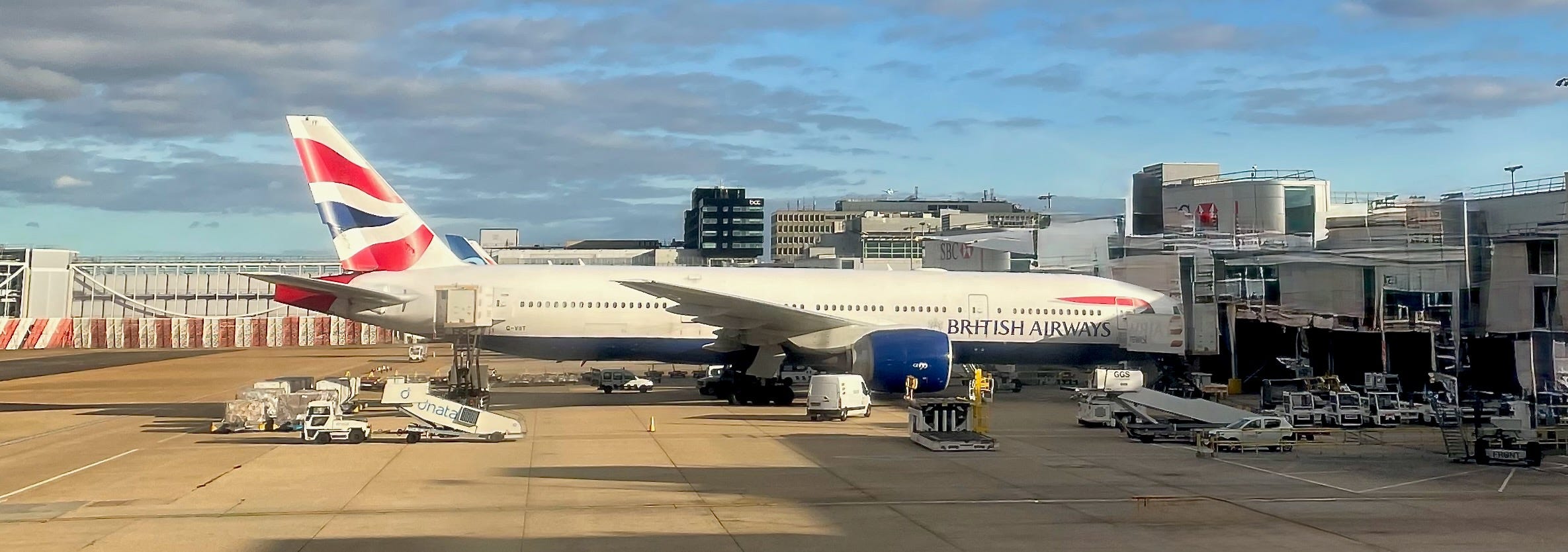
It’s not only the UK that publishes travel advice. The following nationally produced advisories are also open to all.
The “big 4” English-language systems (the ones most cited internationally)
These are those most travellers and professionals cross-reference. They publish detailed, country-by-country advice in English and update continuously.
United Kingdom, FCDO (Foreign, Commonwealth & Development Office)
Covers 226 countries and territories. Advice has legal-insurance weight in the UK: travelling against it can invalidate travel insurance.
United States, State Department
Four-level system (1 Exercise Normal Precautions to 4 Do Not Travel). Assesses risk only insofar as it affects US citizens.
Australia, Smartraveller (DFAT)
Covers 175+ destinations, four-level system, subscribe-for-updates feature. Widely regarded as one of the clearest.
Canada, Global Affairs Canada
Around 230 destinations, with colour-coded national and regional risk maps. Strong on sub-national regional detail.
Other English-language systems include:
New Zealand, SafeTravel (MFAT)
The official source for New Zealanders, four-level system, destination-specific advisories.
Ireland, Department of Foreign Affairs
Country-by-country advice with a similar rating structure.
Continental European systems include:
Germany, Auswärtiges Amt (Federal Foreign Office)
“Reise- und Sicherheitshinweise,” regularly updated, with the “Sicher Reisen” app and the Elefand crisis-registration system. Primarily German.
France, France Diplomatie (Ministry for Europe and Foreign Affairs)
Primarily French, with the Fil d’Ariane registration system.
Others include the Netherlands, Switzerland, Singapore and Japan.
The systems differ because each government assesses risk through its own intelligence and national interest.
Advice for professionals:
Cross-reference two or three official sites rather than relying on one.
In addition, consult business advisory sites such as the UK business advisory hub.
Bonus for paid subscribers: